

Adde Value and Intermeidation
Understanding Added Value
In business, the concept of added value is often misunderstood, especially in industries where intermediation plays a key role. At Ymflow, we believe in transparency and fairness, which is why we want to clarify what truly constitutes added value—and why not all contributions are equal.
This article is not about dismissing the role of intermediaries. Instead, it's about fostering a shared understanding of the effort, expertise, and resources required to turn a lead into a successful transaction.
By drawing a parallel with a familiar industry—the supermarket—we hope to illustrate why some contributions, while necessary, are not equivalent to the work of those who drive the deal forward.
The Supermarket Analogy: What Is Added Value?
Imagine walking into a supermarket. The price you pay for a product is not just the cost of the raw materials. It includes:
- Storage: Warehouses, refrigeration, and inventory management ensure products are available when you need them.
- Logistics: Transportation, fuel, and coordination to bring products from farms or factories to the shelves.
- Security: Protecting the products from theft, damage, or spoilage.
- Overhead Costs: Rent, utilities, and maintenance for the physical store.
- Wages: Salaries for cashiers, stockers, managers, and IT staff who keep the system running.
- Technology: Point-of-sale systems, inventory software, and customer service tools.
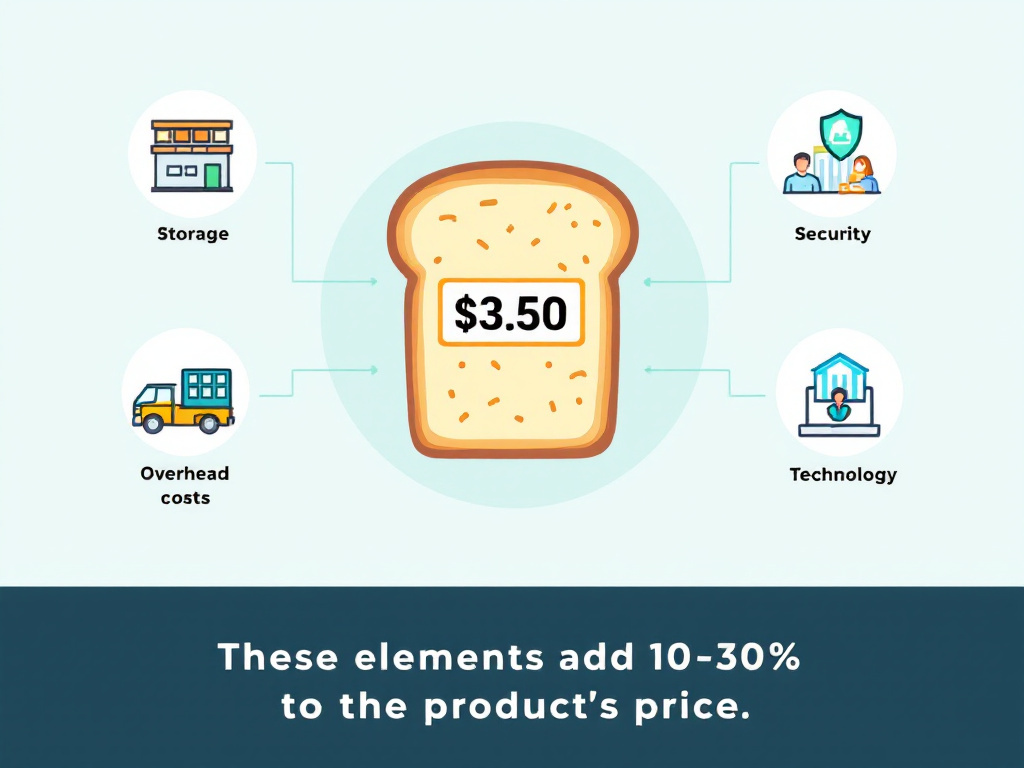
These elements add 10 to 30% to the cost of the product. Why? Because they represent the investment in time, infrastructure, and expertise that makes the product accessible, reliable, and convenient for you.
Now, consider an intermediary who simply provides a phone number. Is that equivalent to the supermarket's entire operation?
The Role of Intermediaries: A Reality Check
In many industries, intermediaries act as connectors, bridging gaps between parties. However, the value of that connection varies greatly depending on the effort and risk involved.
What Some Intermediaries Do
- Provide a phone number or an introduction.
- Pass along a lead without qualification, documentation review, or verification.
- Assume no responsibility for the legitimacy or intent of the prospective client.
What Companies Like Ymflow Do
- Qualification: We assess the seriousness, financial capacity, and intent of the client.
- Proposal Development: We craft tailored, technically sound proposals that address the client's needs.
- Education: We guide the client through complex processes, ensuring they understand the value and implications of the transaction.
- Negotiation: We invest weeks or months in discussions, revisions, and follow-ups to align expectations and terms.
- Face-to-Face Engagement: We build trust through direct meetings, presentations, and relationship management.
- Risk Mitigation: We verify documents, conduct due diligence, and protect all parties from scams or mismatches.
This is the real added value—the difference between a name on a piece of paper and a closed, profitable, and sustainable deal.
The Chain of Intermediaries: When Value Dilutes
The situation becomes even more complex when multiple intermediaries are involved. Picture this:
- Intermediary A knows someone who might be interested.
- Intermediary B gets the phone number from A and passes it to C.
- Intermediary C forwards it to D, who then shares it with E.
- Intermediary E finally connects with your company.
Each intermediary in this chain may expect a significant share of the transaction, simply because they "passed along" a contact. But ask yourself:
- Did they verify the lead?
- Did they contribute to the negotiation?
- Did they invest time, money, or expertise to make the deal happen?
If the answer is no, then their added value is minimal—akin to a supermarket cashier handing you a product without the store's entire infrastructure behind it.
Fairness in Compensation: Aligning Rewards with Effort
We are not suggesting that intermediaries should not be compensated. However, fairness demands that compensation aligns with the actual added value provided.
Here's how to think about it:
| Contribution | Added Value | Suggested Compensation |
|---|---|---|
| Providing a phone number (unverified) | Low | Nominal fee or small percentage |
| Qualifying the lead, reviewing documents | Medium | Moderate percentage |
| Developing proposals, negotiating, closing the deal | High | Significant share |
This table is not prescriptive but illustrative. The key principle is proportionality: the more effort, risk, and expertise invested, the greater the share.

A Call for Collaboration, Not Confrontation
Our goal is not to criticize intermediaries but to educate and collaborate. We want to work with partners who understand that:
- A phone number is a starting point, not a finished product.
- The real work—and risk—begins after the introduction.
- Fair compensation reflects the actual contribution to the transaction's success.
By recognizing the true added value of each party, we can build stronger, more transparent, and more profitable relationships.
Let's Build Value Together
At Ymflow, we are committed to fairness, transparency, and mutual respect. We value our intermediaries, but we also believe in rewarding real added value—the kind that comes from expertise, effort, and investment.
If you're an intermediary, ask yourself: What am I truly bringing to the table? If you're a business leader, consider: Am I rewarding effort and risk, or just connections?
Together, we can create a system where everyone is compensated fairly—for what they truly contribute.
Get in TouchAbout the Author